Basketball Legends Tournament Mode: How to Win the Bracket
Published · 3 min read
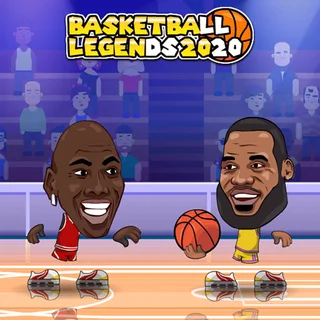
Quick matches are fun, but the Tournament is where Basketball Legends asks you to be consistent. You need to win three games in a row against the computer — a quarterfinal, a semifinal and a final — and one bad game sends you home. Here is how the mode works and how to get through it.
How the tournament works
- Eight teams, three rounds. The tournament grid shows the bracket: quarterfinal, semifinal, final. Win and you move up; lose and the run ends with a 'you lost' screen.
- Standings between games. After each match the game shows the other results and who you play next.
- Difficulty. Choose Normal or Hard before you start. Hard CPUs block more often and punish lazy shots.
- 1v1 or 2v2. Pick the match mode and your players on the selection screen.
- Saved progress. Leave mid-tournament and the menu offers Continue Tournament next time. Choosing New Tournament warns you first, because it wipes the bracket you were in.
Beating the CPU
Take the high-percentage shot
The computer defends long shots well. Dunks are the most reliable points in the game, so build every possession around getting near the rim: dash past, jump, shoot. Save three-pointers for when the defender has jumped already.
Use the pump fake every time it is close
CPU defenders bite on fakes, especially on Hard. Fake, let them fly past, then shoot. If they do not jump, you have lost nothing — just shoot or drive.
Defend the rim, not the ball
Stay between your opponent and the hoop. Chasing the ball out to the edge of the court leaves an open lane for a dunk. When they go up to shoot, press block (Down) right then.
Steal on their turn
The CPU often turns around while dribbling. Stand close and press steal right then. Easy turnovers are the fastest way to build a lead.
Time your super
A full super bar in the final seconds is worth more than one used in the first minute. If the game is level near the end, a super can be the difference between winning and overtime.
1v1 or 2v2?
In 1v1 every possession is yours, which makes the game easier to read: you always know who has to stop whom. It is the better mode for learning the timing of fakes and blocks. In 2v2 you get a CPU teammate who rebounds, defends and sometimes scores on their own. Matches feel busier and you cannot guard everyone, so the trick is to stay near the hoop on defence and let your teammate harass the ball. Many players find 2v2 more forgiving on Hard, because one blown possession does not always mean two points against you.
Close games, overtime and the buzzer
A tied game does not end in a draw — it goes to overtime. That is where a super saved from the end of regulation pays off. Keep an eye on the clock as well: a shot released just before time runs out still counts if it goes in, and the game marks it as a buzzer beater. When you are a basket ahead with a few seconds left, do not force a shot. Keep the ball away from the defender and use up the clock; a hurried shot that misses only hands the CPU one last chance.
Round by round
- Quarterfinal: the easiest opponent. Use it to warm up and charge your timing.
- Semifinal: opponents block more. Lean on fakes and dashes.
- Final: do not change what worked. Most finals are lost by forcing long shots when behind; keep attacking the rim.
If you keep losing
- Drop to Normal. Learn the bracket there first; the moves are the same on Hard.
- Practise in Training. Dash and dunk until it is automatic.
- Try 2v2. A CPU teammate covers some of your mistakes on defence.
- Check your keys. If moves feel late, click inside the game once so it has keyboard focus, and use fullscreen to stop page scrolling.
After the trophy
Win the final and the game celebrates, then lets you start a new bracket. Try a different player, switch to 2v2, or move up to Hard. Or hand the keyboard to a friend and settle it in 2 Players mode.
More from the blog
- Basketball Legends Controls for 1 and 2 Players, Explained
Every key in Basketball Legends for one player and for two on one keyboard, plus the moves the game never spells out: dash, pump fake, steal and block.